
Walk into a standard shop, and you can easily get a haircut for ₹100. Yet, a few streets away, someone else is happily paying ₹1250 for the exact same functional result: shorter hair. Why are customers willing to pay over ten times the price?
The answer lies in buyer psychology and the experience economy. The ₹1250 barber isn't just selling the mechanical act of cutting hair; they are selling a premium experience, status, and confidence. People rarely make purchasing decisions based purely on logical cost-benefit analysis; they are heavily driven by emotional factors and perceived value.
The Commodity Trap
Most small businesses struggle to charge premium rates because they fall into the commodity trap. They focus their marketing on what they do instead of what the client gets. They list features: surface statements about specs or basic functions, rather than benefits, which highlight the emotional end result for the buyer.
When you center your positioning on activities rather than outcomes, you become just another vendor executing tasks. Vendors get commoditized, and feature-based competition inevitably triggers a desperate race to the bottom on price.
Shifting from Functions to Feelings
To command premium pricing, you must bridge the gap between "what you do" and "what they get".
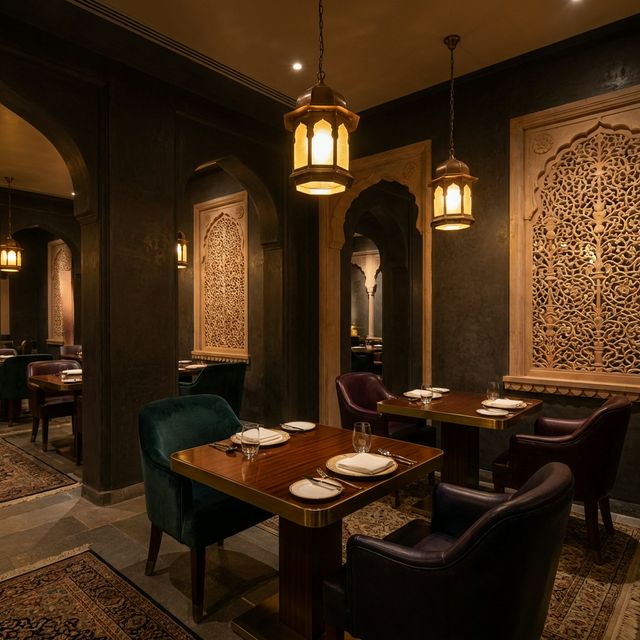
Let’s apply this to a local restaurant owner in Barmer. If you market your business merely as a place that serves "roti and sabzi" (features), you are competing with every other dhaba purely on cost. But if you shift your framing to offer an authentic "Rajasthani cultural experience" with impeccable hospitality, you tap into deep psychological value.
Similarly, a local shopkeeper selling a standard "wooden chair" is pushing a faceless commodity. But by framing that exact same item as a "hand-carved heritage piece that elevates your home's identity", they immediately appeal to the customer’s emotional need for uniqueness and status.
"People don't buy a quarter-inch drill because they want a drill; they buy it because they want a quarter-inch hole."
As marketing professor Theodore Levitt famously noted, clients buy the transformation and the outcome, not your process or your hours.
Escaping commoditization means managing your initial impressions and framing your offer around the positive transformation the client will experience. When you define your true value and price confidently from the start, your price acts as a psychological filter that attracts serious buyers who respect the investment required for premium results.
The Jaipax Studio Difference
At Jaipax Studio, we apply this exact logic to web development and digital growth. If a customer searches for your services and finds a slow, outdated webpage, or worse - no website at all,they immediately default to treating you like a commodity. Without a strong digital presence, you are forced to compete purely on price.
Your website is your ultimate framing tool. We build fast, high-performance websites and run targeted SEO and advertisement campaigns that put your business in front of premium clients at the exact moment they are ready to buy.